How to Choose the Right Materials for Private Label Hair Accessories Production?
October 31, 2026
Choosing the right raw materials dictates the durability, aesthetic appeal, and commercial success of private label hair accessories. B2B buyers and brand owners often face the challenge of selecting materials that align with brand positioning, cost targets, and end-user expectations. This comprehensive guide answers this critical question by breaking down the physical properties, manufacturing processes, and market applications of industry-standard materials like cellulose acetate, silk, and specialized fabrics. Throughout this article, we examine how material selection impacts production yield, custom molding capabilities, and wholesale margins.
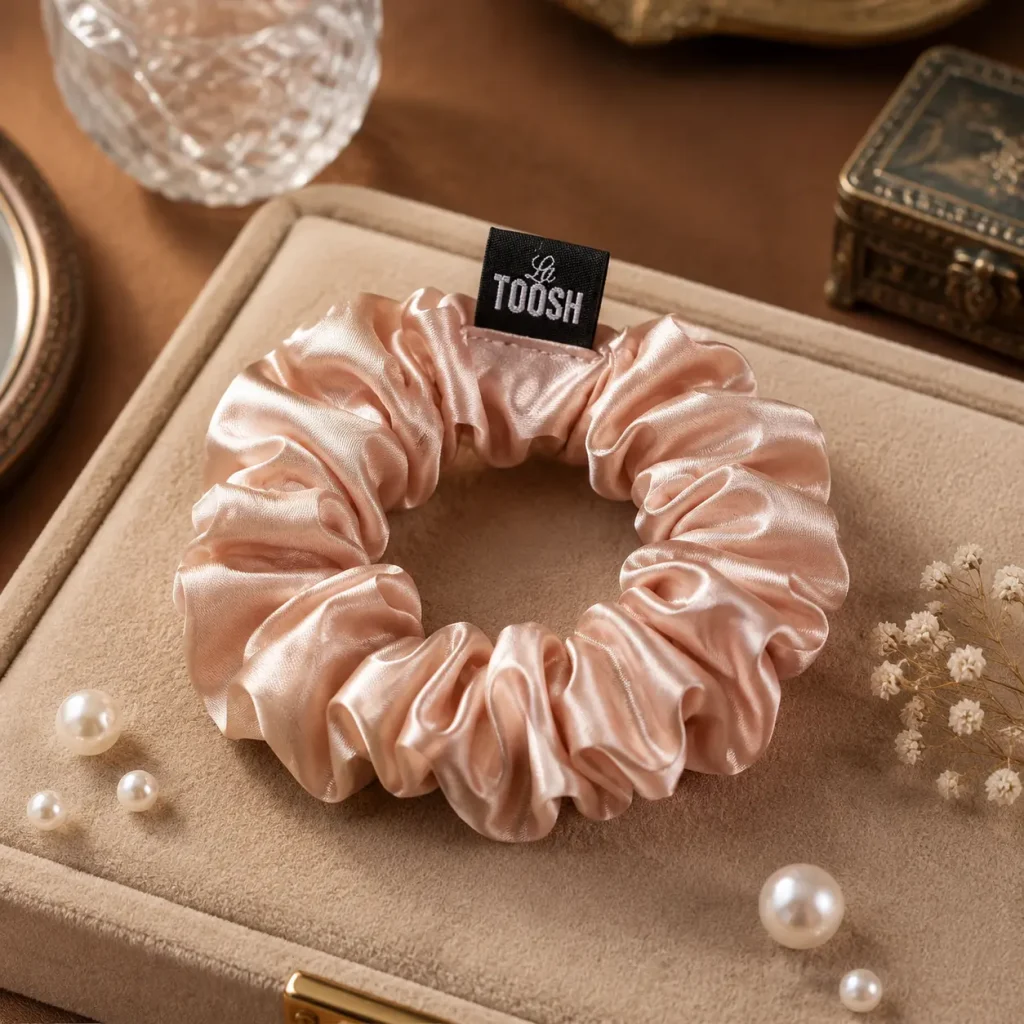
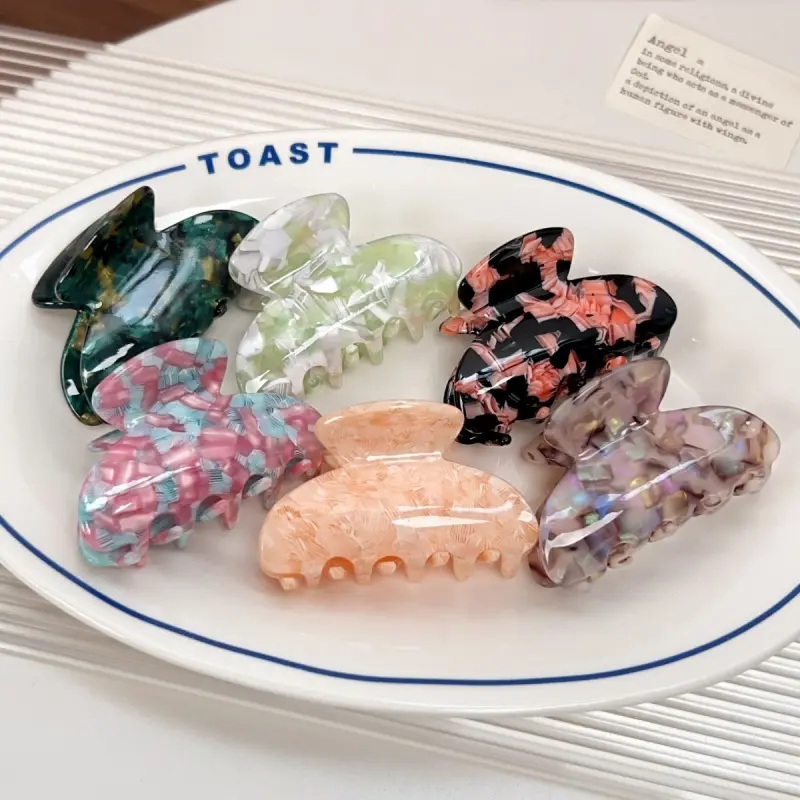
Understanding Cellulose Acetate as a Flagship Material
Cellulose acetate serves as the cornerstone of high-end hair accessory manufacturing. Originating from natural cotton and wood pulp fibers, this semi-synthetic polymer bridges the gap between biodegradable sustainability and rigid plastic performance. Retailers favor acetate because it accepts rich, multi-dimensional color patterns through block-layering techniques. Unlike injection-molded plastics, acetate sheets undergo precision CNC cutting, hand-polishing, and thermal bending. These steps produce luxurious textures and smooth finishes that elevate retail price points.
For wholesale buyers, cellulose acetate offers exceptional versatility across product categories. Manufacturers utilize this material to produce durable hair claws, wide-tooth combs, and elegant headbands. For instance, the Custom Logo 10.5cm Cellulose Acetate Hair Claw Clip demonstrates how structural rigidity pairs with custom branding to meet retail demands. Brands can engrave or print logos directly onto the polished surface without compromising structural integrity.
Acetate also excels in miniaturized accessories and functional hardware. Designers leverage its strength-to-weight ratio to create secure snap clips and decorative barrettes. The 8cm Cellulose Acetate Hair Barrette highlights how clean material edges support secure metal clasp attachments. B2B purchasers must evaluate sheet thickness, plasticizer grades, and environmental stability when sourcing acetate inventory. High-grade plasticizers prevent brittleness over time, ensuring that retail stock maintains impact resistance during international transit and daily consumer use.
Evaluating Silk and Luxury Fabric Options
Luxury hair accessories demand materials that offer tactile softness alongside functional durability. Silk stands out as a premier choice for high-end scrunchies, headbands, and wrapped bows. Mulberry silk, graded by momme weight, provides the tensile strength and natural protein structure required for friction-free hair care. High-momme silk resists tearing and maintains its luster after repeated washes, making it a reliable choice for premium beauty brands.
Fabric selection extends beyond pure silk into engineered blends and specialized textiles. Cotton, velvet, and satin offer distinct advantages depending on seasonal collections and target price points. Velvet provides rich light absorption and tactile warmth, whereas cotton delivers breathable everyday wearability. Sourcing teams must analyze warp and weft densities to prevent seam slippage during high-speed sewing operations.
| Material Category | Primary Use Cases | Key Advantage | Sourcing Consideration |
| Cellulose Acetate | Claw clips, combs, barrettes | Rich color patterns, CNC precision | Sheet thickness and plasticizer grade |
| Mulberry Silk | Scrunchies, wrapped headbands | Friction-free hair care, high sheen | Momme weight and fiber grade |
| Cotton & Velvet | Fabric headbands, soft scrunchies | Breathable, tactile variety | Tensile strength and seam durability |
Table 1: Comparison of core materials for private label hair accessory production.
Integrating fabric components with structural bases requires technical precision. For example, wrapped headbands require resilient inner cores made of flexible plastics or metal bands covered in padding. This construction prevents pinching behind the ears while maintaining the shape of the outer fabric layer. B2B buyers should request physical pull-test data and fabric swatch books before scaling mass production orders.
Technical Specifications and Manufacturing Compatibility
Material selection directly dictates the manufacturing techniques required for mass production. Cellulose acetate requires strict thermal control during bending and stamping stages. If operators apply excessive heat, the material scorches or loses its molecular memory, causing deformed claws and weak spring alignments. Conversely, insufficient heat leads to micro-cracking along curved edges during CNC routing.
Fabric materials require specialized cutting tables and automated sewing machines to maintain edge consistency. Laser cutting works effectively for synthetic fabrics by sealing edges and preventing fraying, but natural fibers like silk require precision rotary blades. Production facilities must calibrate tension settings on sewing machines to accommodate stretchy knits versus rigid wovens. Mismatched tension results in puckered seams and high defect rates.
Hardware integration also influences material choices. Metal springs in claw clips, alloy pins, and brass snap clips must coordinate with the thermal expansion rates of adjacent plastics or fabrics. Corrosion-resistant metals prevent oxidation stains from bleeding into porous acetate sheets or delicate silk fabrics over extended storage periods. Quality control teams test closure cycles to verify that spring tensions withstand thousands of openings without fatigue failure.
Balancing Cost, MOQ, and Sustainability Goals
Sourcing decisions hinge on financial viability and supply chain transparency. Cellulose acetate carries a higher raw material cost than standard acrylic or polystyrene, but it commands significantly higher retail margins. Brands positioning themselves in the mid-to-high market tier benefit from the perceived value and tactile weight of genuine acetate.
Minimum Order Quantities (MOQs) vary by material customization levels. Custom-dyed acetate color blocks require substantial batch runs from chemical suppliers, whereas standard stock colors allow lower MOQs for private label engraving. Procurement managers must analyze lead times for custom tooling, especially when developing proprietary mold shapes for unique hair claw silhouettes.
Sustainability represents an escalating priority for global retail buyers. Cellulose acetate originates from renewable wood and cotton linters, offering better environmental credentials than petroleum-based plastics. Manufacturers utilize scrap recovery systems, melting down waste acetate cuttings to produce secondary utility items. Sourcing teams should verify factory certifications regarding wastewater treatment, chemical safety compliance, and ethical labor standards to protect their brand reputation.
Ready to Scale Your Hair Accessory Line?
Selecting the correct material grade transforms raw concepts into market-ready products that build consumer loyalty and protect profit margins. Partnering with an experienced manufacturer streamlines material sourcing, prototype development, and quality assurance.
Contact us today to discuss your custom material requirements and request production samples.
Our engineering team assists brands in navigating material specifications, custom mold creation, and sustainable packaging options.
Frequently Asked Questions
What makes cellulose acetate superior to standard plastic for hair accessories?
Cellulose acetate offers superior impact resistance, rich multi-dimensional color depth, and a pleasant tactile weight. Unlike injection-molded plastics, acetate withstands drops without shattering and supports precision polishing for smooth edges.
How do I choose the correct silk weight for private label scrunchies?
Select silk based on your target retail price and durability requirements. Higher momme weights provide greater tensile strength, tear resistance, and a more luxurious appearance suitable for premium beauty lines.
Can manufacturers match custom pantone colors for acetate hair clips?
Yes. Manufacturers mix specialized organic color pastes during the block-casting stage to match specific Pantone references for private label collections.
What is the typical lead time for custom acetate hair accessory production?
Lead times range from 30 to 45 days depending on tooling requirements, custom color batching, and order volume.
About Glory
Glory operates as a reliable hair accessories manufacturer specializing in cellulose acetate products for fashion retailers, wholesalers, and private-label brands. The company manufactures acetate hair clips, claws, combs, and headbands in-house, managing every stage from CNC cutting and polishing to assembly and quality inspection. Glory supports OEM and undulating ODM orders with custom shapes, colors, logos, and packaging solutions tailored to global market standards.
References
- World Intellectual Property Organization (WIPO): Industrial Designs and Material Innovations in Fashion Accessories. https://www.wipo.int/
- Textile Exchange: Preferred Fiber and Materials Market Report on Cellulose and Silk Standards. https://textileexchange.org/
- American Society for Testing and Materials (ASTM): Standard Test Methods for Plastics and Polymer Characterization. https://www.astm.org/